Education & Leadership Development
Connecting generations of river knowledge, leadership, and innovation.
Built on Generations of Experience
Whitewater has always been a field shaped by experience. Safety practices, leadership styles, equipment, operations, conservation strategies, and river-based businesses have evolved through decades of trial, innovation, collaboration, and lessons learned the difficult way.
The Whitewater Heritage Initiative aims to preserve that knowledge and make it useful to the people carrying the industry forward. Through education, shared resources, professional development, and cross-generational exchange, the initiative could help guides, outfitters, students, researchers, and river leaders learn from the past while preparing for the challenges ahead.
For the People Moving Whitewater Forward
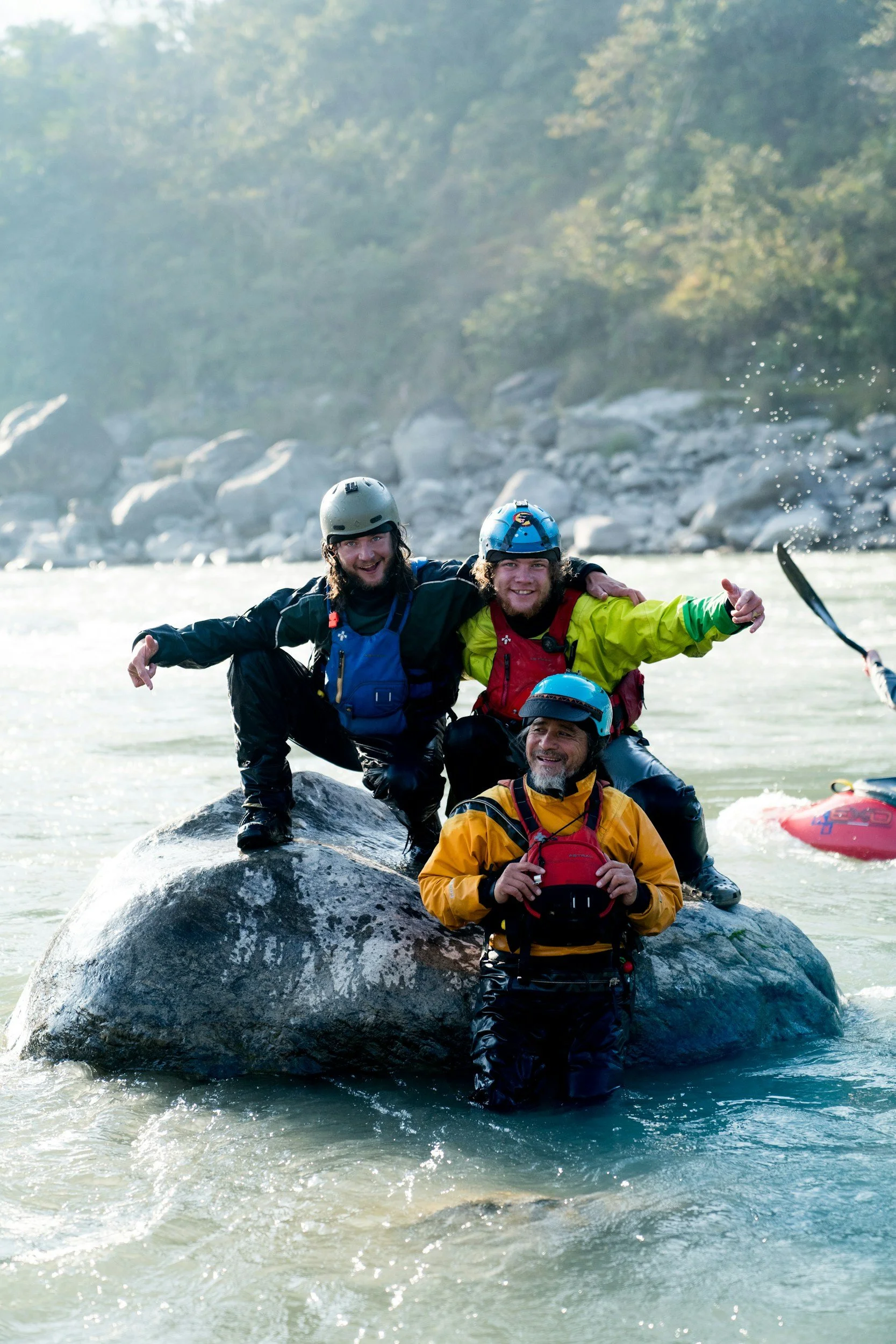
Guides & Emerging Professionals
Access lessons in safety, leadership, river culture, and professional development.
Students & Researchers
Explore archival materials, oral histories, case studies, and industry knowledge.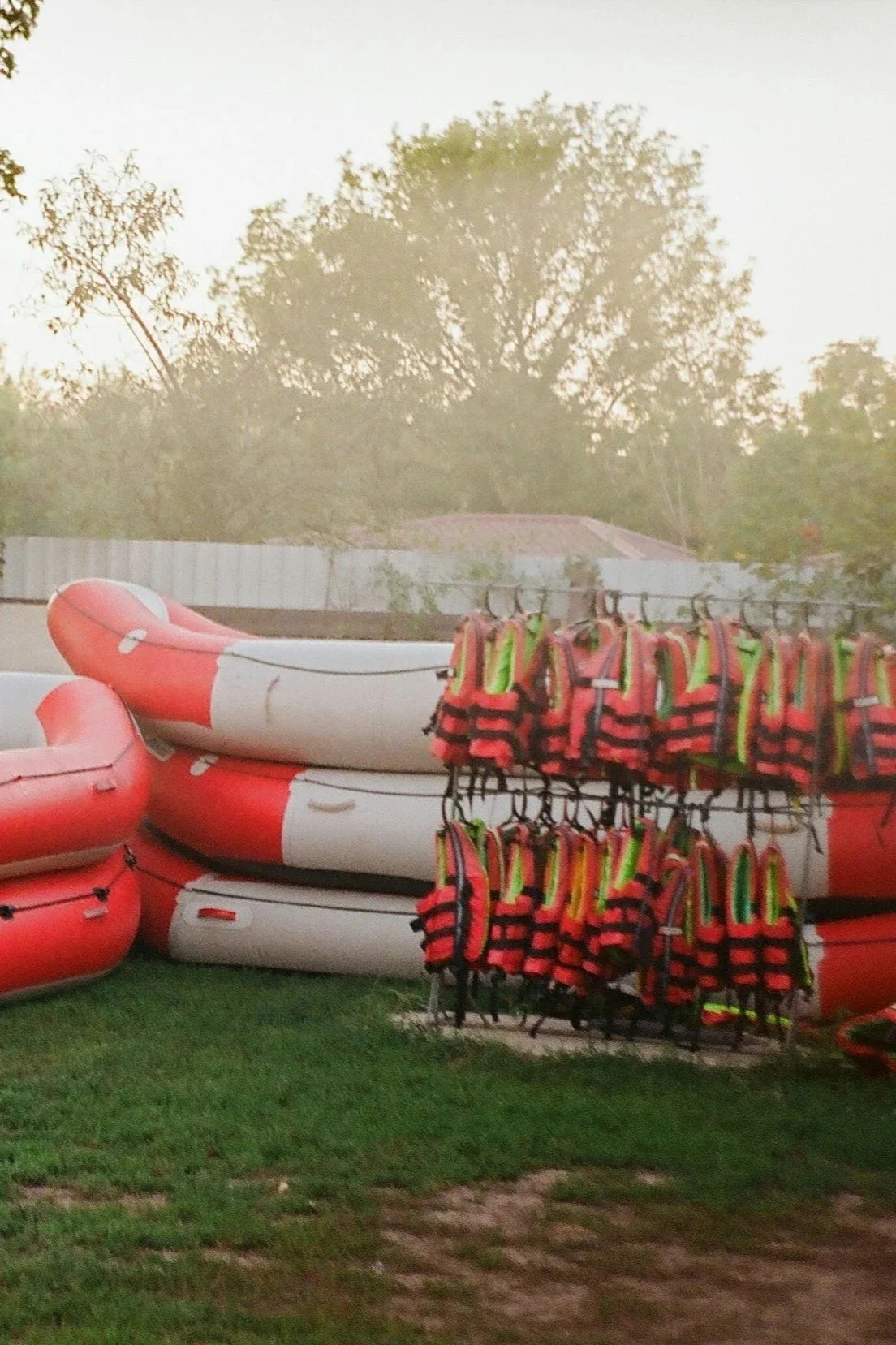
Outfitters & Managers
Learn from the evolution of operations, risk management, hospitality, workforce development, and river-based business.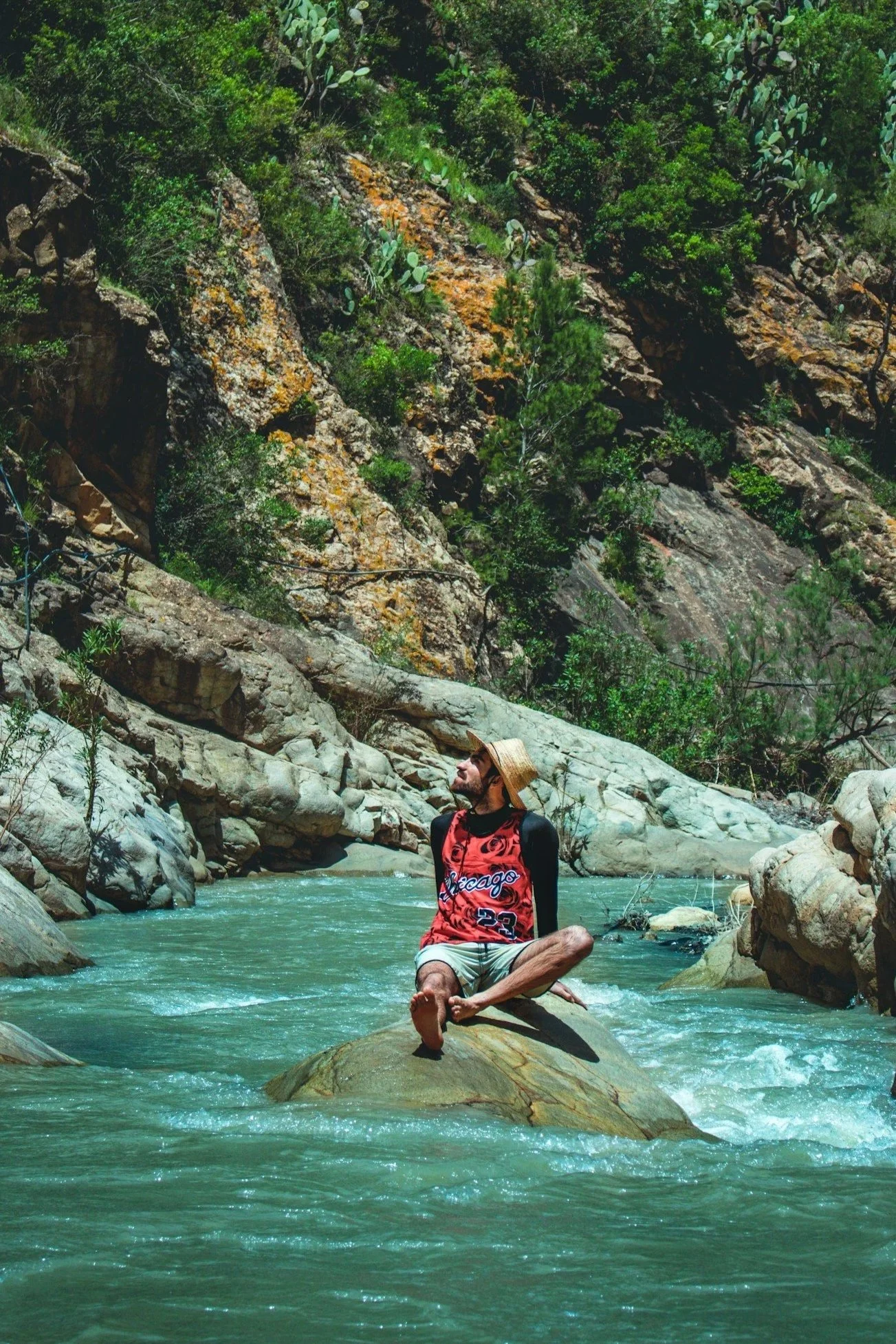
Community & Conservationists
Understand how river recreation, stewardship, tourism, and community development have shaped one another.What the Past Can Teach the Future
-
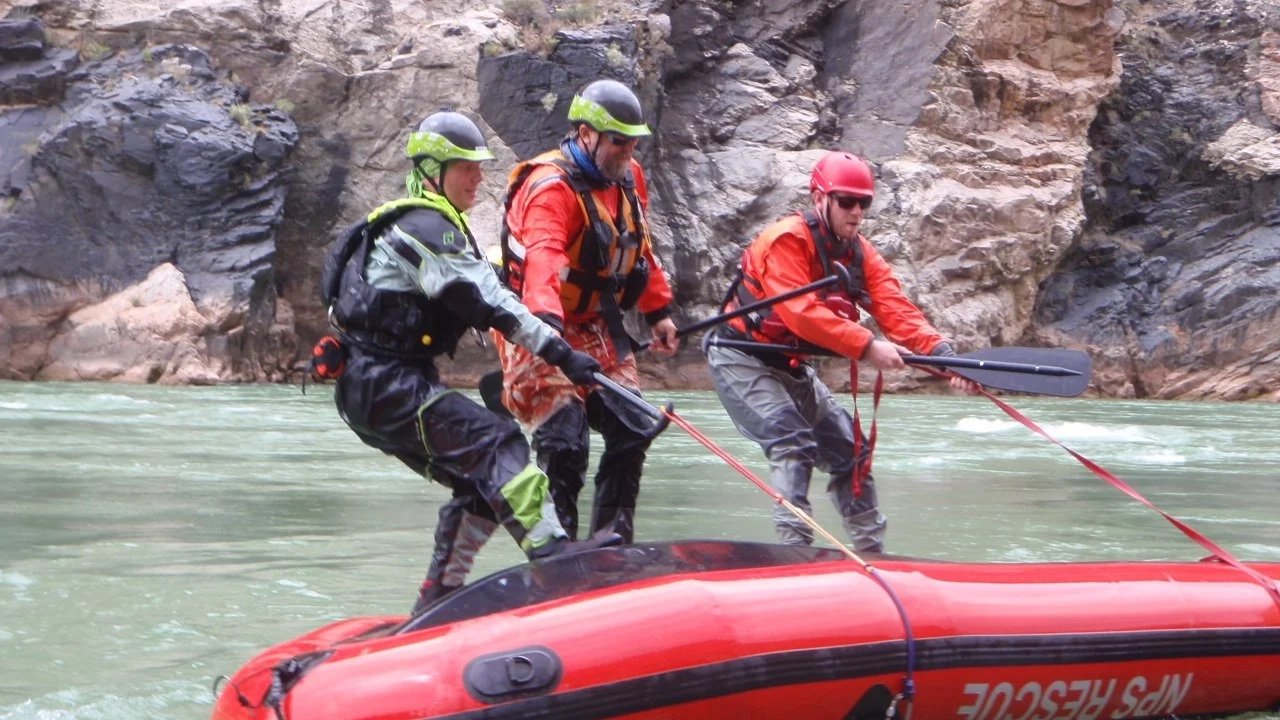
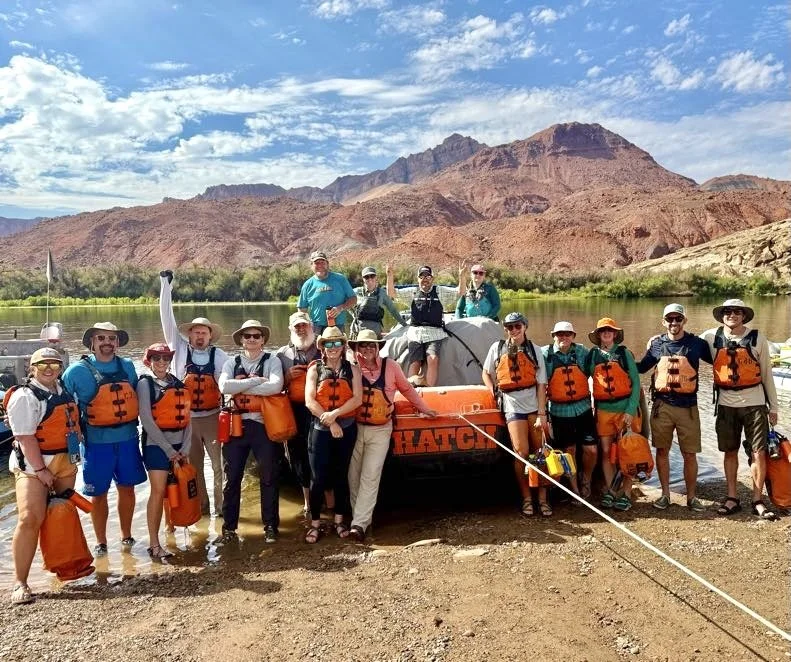
Trace how rescue practices, equipment, training, communication, and operational standards evolved, preserving lessons that can inform safer decisions today.
-
Use the experiences of veteran guides, trip leaders, managers, and founders to explore judgment, mentorship, culture, teamwork, and decision-making under pressure.
-
Capture practical knowledge about building river businesses, serving guests, managing seasonal teams, navigating change, and sustaining organizations over time.
-
Connect the history of whitewater with river protection, public access, environmental advocacy, and responsible recreation.
-
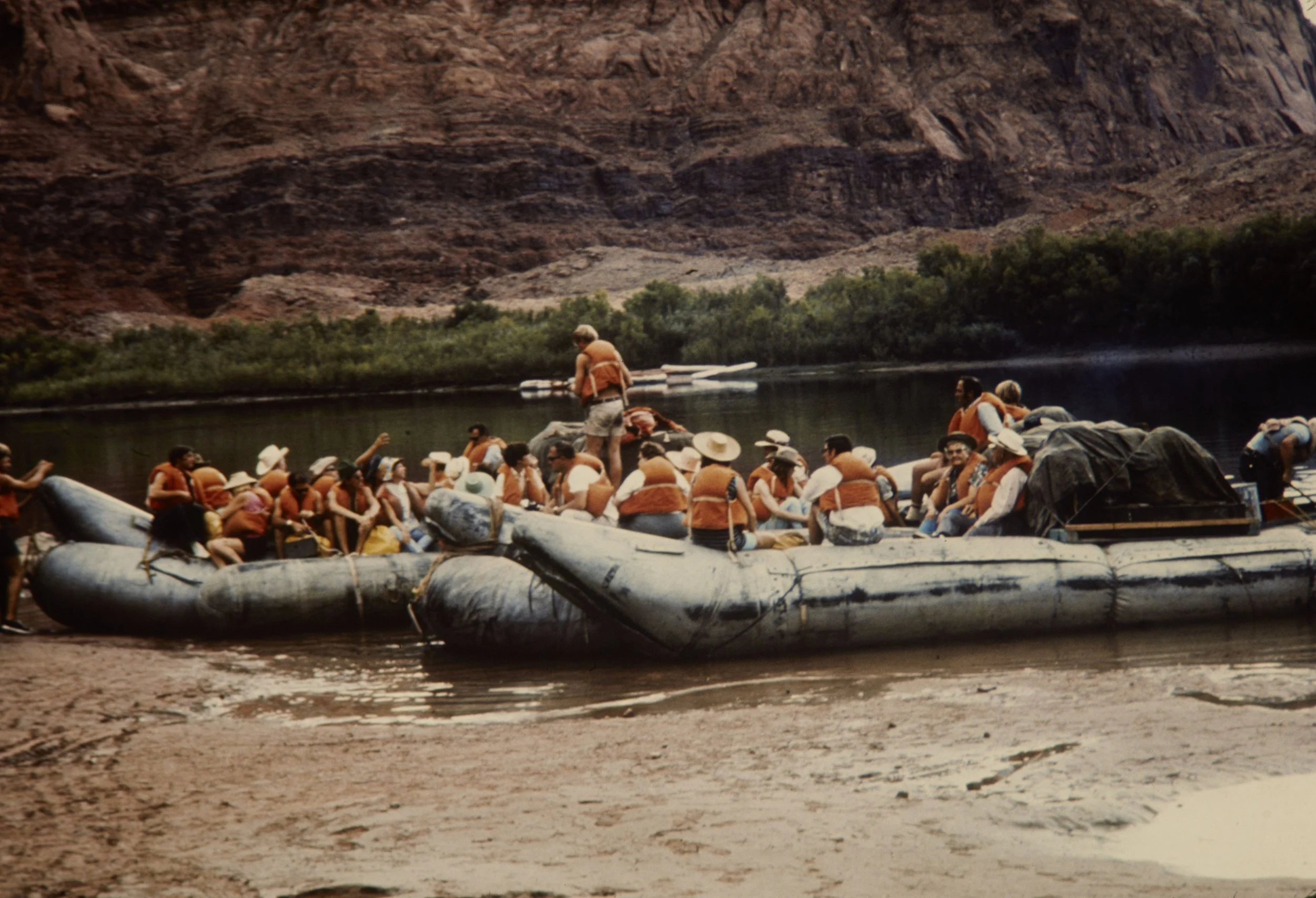
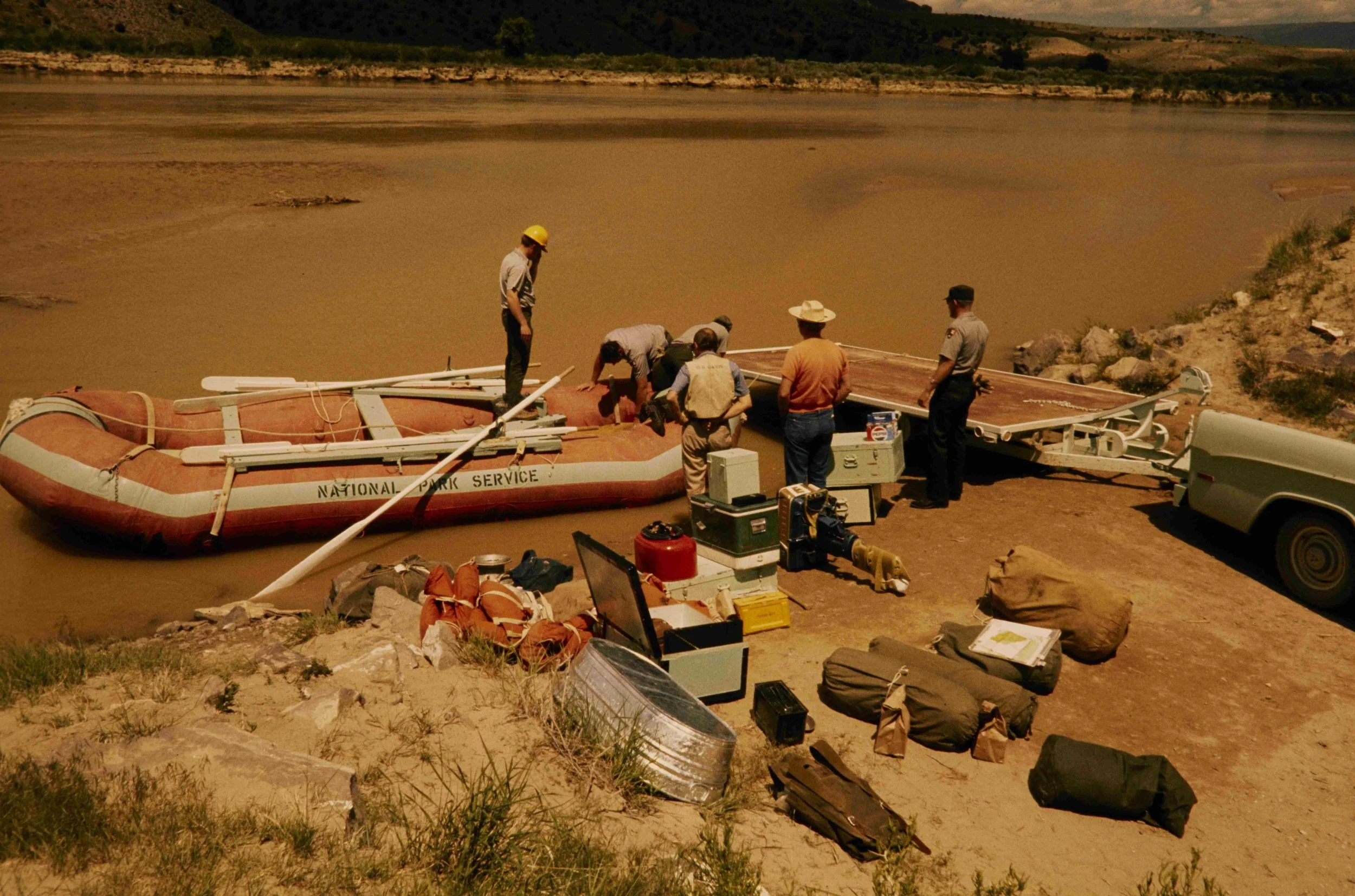
Document how boats, gear, transportation, marketing, technology, regulation, and customer expectations have changed, and create space to discuss what comes next.
-
Explore how whitewater has shaped local identity, tourism economies, employment, and long-term relationships between rivers and communities.
From Archives to Active Learning
Education could take many forms, from workshops, oral histories, case studies, and digital resources to roundtable discussions, research partnerships, mentorship, and hands-on learning at the Whitewater Heritage Summit.
Over time, the proposed Center for Whitewater Heritage and Leadership could provide a permanent setting where river professionals, students, researchers, and community leaders gather to study the industry’s history, exchange knowledge, and develop stronger practices for the future.
Knowledge Should Not Retire
Some of the most valuable knowledge in whitewater has never been written down. It lives in the judgment of veteran guides, the records of longtime outfitters, the memories of conservation advocates, and the decisions made over decades on rivers across the country.
The initiative aims to create meaningful ways for that experience to reach emerging professionals before it disappears, while also giving younger leaders space to bring new questions, technology, research, and ideas into the conversation.
A Living Part of the Initiative
The Whitewater Heritage Summit will serve as an early gathering place for education, exchange, and collaboration. River professionals from across the country can share firsthand experience, lead conversations, identify emerging needs, and help shape the subjects future programs should address.
The stories, lessons, recordings, research, and relationships developed through the Summit can become the foundation for workshops, case studies, mentorship, digital resources, and professional-development opportunities that continue beyond the gathering itself.
Over time, the proposed Center for Whitewater Heritage and Leadership could give this work a permanent home. It would provide space for training, research, archives, cross-generational learning, and ongoing collaboration among guides, outfitters, students, educators, conservationists, and river leaders.